Your Favorite Los Angeles Roofing Experts | Hidden Hills Roofing


- September 2, 2025
What Is the Best Roof for a Hot Climate in Pasadena Homes
Pasadena summers are beautiful—but scorching. Bright sun, high temperatures, intense UV light: they all take a toll on your living space. If your roof absorbs too much heat, your home turns into an oven. That’s why many homeowners in Pasadena ask: what is the best roof for a hot climate in their homes?
In this blog, you’ll discover which roof types perform best under the sun, how they save energy, and what trade-offs you should expect. By the end, you’ll know what to look for—and why hiring a professional makes all the difference.
Key Takeaways
- Cool roofs and materials with high solar reflectance and high thermal emittance are top performers in hot climates.
- Light-colored metal, clay or concrete tile, slate, and specialized reflective asphalt shingles often offer the best balance of durability and heat management.
- Proper installation, ventilation, and attic insulation amplify performance far beyond just picking the right material.
- Short-term costs can be higher, but long-term energy savings, reduced maintenance, and increased comfort often make the investment worth it.
- Hidden Hills Roofing delivers expert evaluation, high-quality roofing materials, and skilled installation to help decide exactly what is the best roof for a hot climate in Pasadena.
Overview
Pasadena faces long, hot summers, strong sunlight, and occasional heat spikes. Homes here need roofs that reflect heat, resist damage from UV radiation, and shed heat efficiently. Data shows that roofs with reflective surfaces can reduce attic or interior temperatures by 10-30°F (5-15°C) depending on material, color, ventilation, and insulation.
Materials like light-colored metal, clay or concrete tile, slate, or cool asphalt shingles are often recommended. Also, cool roofs (roofs designed to reflect more solar energy and absorb less heat) are increasingly part of building codes and incentive programs in warm-climate regions because of their energy savings and comfort benefits.
Thus, choosing what is the best roof for a hot climate depends on several interlocking factors: roof material, color/finish, ventilation, insulation, and installation quality.
People Also Ask
2.1 Which roofing materials reflect heat best in hot Southern California climates?
2.2 What is a cool roof and how does it benefit Pasadena homes?
2.3 Between clay tile, metal, and asphalt, which roof type stays coolest?
2.4 How much energy can a reflective roof save in Pasadena?
2.5 What is the cost difference between a cool roof and a traditional roof?
Statistical Insights
- Cool roofs can reduce ceiling heat flow by up to 36%, lowering indoor temps during hot summers.
- Clay tiles reflect as much as 50–53% of solar energy, while asphalt shingles reflect less than 10%.
- Energy-efficient roofs can reduce cooling costs by 15–25% in Pasadena’s hot climate.
- Metal roofs can last 40–70 years, offering both longevity and heat reflectivity.
- Installing a cool roof typically adds 5–15% more to upfront costs but pays off in energy savings within 5–10 years.
1. Material Types That Perform Best in Hot Climate Roofing
To understand what is the best roof for a hot climate, you first need to know how different materials behave under persistent heat and sun exposure. The best materials combine high solar reflectance (ability to bounce sunlight away) and good thermal emittance (ability to release absorbed heat). Here are strong contenders:
- Metal Roofing (light-colored or reflective coatings). Metal reflects a lot of sunlight. It cools down quickly when the sun goes down. This helps reduce indoor heat gain. Metal roofs with cool coatings are especially effective. They also tend to last a long time. However, they may cost more up front, can be noisy in rain unless proper underlayment is used, and require precise installation. Sources highlight metal as one of the top choices in hot climates because of its reflectivity and durability.
- Clay or Concrete Tile. Tiles are heavy, which means your roof framing must support them. But clay-style tiles, especially in light colors or with light glazes, reflect sunlight well and offer thermal mass: they absorb heat slowly and release it slowly. They create natural airflow underneath, helping cool the structure. They have very long lifespans, often several decades. But installation complexity, weight, and cost are higher.
- Slate. Slate is natural stone. It resists fire, resists UV damage, and weathers well. Slate is durable for many decades. Light-tone slate helps more with reflectivity. On the downside: slate is expensive, heavy, and requires expert installation. It may be overkill for some homes unless you want maximum longevity and are ready to invest.
- Cool Asphalt Shingles. Traditional asphalt shingles absorb a lot of heat—but newer “cool roof” asphalt shingles include reflective granules or pigments that reflect more sunlight and reduce heat absorption. While they don’t perform as well as metal or tile in extreme conditions, cool shingles offer a lower cost option for many homeowners.
- Composite or Synthetic Roof Materials. These mimic tile or slate, often with lighter weight and with engineered properties such as UV-stable coatings, impact resistance, and sometimes built-in reflectivity. If quality is good, synthetic materials can be an excellent compromise: look good, perform well, and cost less than natural stone or heavy tile.
2. Other Features That Matter as Much as Material
Beyond material, several design and construction features influence how well a roof performs in heat. These are often overlooked—but they can make a big difference.
- Roof Color & Finish: Light colors reflect more solar energy. White, light gray, and light earth tones reflect more sunlight and help minimize heat absorption. Reflective coatings or pigments that reflect infrared (invisible heat) are especially helpful.
- Ventilation: Venting in the attic (ridge vents, soffit vents, etc.) lets hot air escape. Without ventilation, heat builds up under the roof deck and radiates downward, raising indoor temperatures. If roofers cut corners here, even reflective materials may not help nearly as much.
- Insulation: Proper attic insulation (and radiant barriers) slows heat transfer into living spaces. Good insulation plus the right roofing material means less energy is spent on cooling.
- Roof Shape / Slope: Roofs with steeper slopes or shapes that allow airflow beneath can shed heat faster. Roof overhangs, eaves, and proper pitch help shades and redirect sun. Some shapes trap heat more. Designs with ventilation chases under tiles help reduce the roof surface temperature.
3. Data & Examples: What Performance Gains to Expect
To see how all the pieces add up, here are real-world observations in hot climates (which Pasadena shares many similarities with):
- A light-colored metal roof with a reflective finish and good attic ventilation can reduce cooling energy usage by 20-30% during summer compared to dark asphalt shingles.
- Cool roof surfaces can keep surface temperatures much lower. Dark conventional roofs might reach 150°F (65°C) or more in direct sun; cool roofs—metal, tile, or coated asphalt—can be 50°F (28°C) cooler on the surface in the same conditions.
- Long-term life: tile and slate often perform for 50-100 years or more if installed correctly. Metal roofs may last 40-80 years depending on finish. Asphalt shingles last 15-25 years unless upgraded.
4. Trade-Offs and Perspectives to Think About
While many roofing types offer excellent heat performance, they carry trade-offs. You should weigh these based on your priorities (cost, aesthetics, maintenance, lifespan).
- Cost vs Budget: Metal, tile, and slate cost more up front—materials, structure reinforcement, installation labor. If your budget is tighter, cool asphalt shingles or synthetic materials might give better immediate value.
- Weight & Structural Support: Heavy tiles or slate need strong framing. If your house’s roof structure isn’t built for heavy loads, reinforcing it adds cost and complexity.
- Maintenance Needs: Tiles may crack in severe storms; slate may need periodic replacement of pieces; metal roofs can suffer from corrosion (depending on material) or require sealing; all roofs will need regular inspections for wear, flashing, sealing. Even the best roof fails if improperly installed or poorly maintained.
- Appearance / Style Matching: Some styles (Spanish, Mediterranean) look great with tile; others (modern, minimalist) fit metal or synthetic better. HOA rules or neighborhood aesthetic expectations might limit material or color choices.
- Climate Nuances: Even in hot climates, nighttime cooling, humidity, occasional rain, or seasonal shifts matter. Materials that reflect heat in day also need to handle moisture, occasional dips in temperature, UV exposure. Ventilation and insulation sometimes matter more than material itself.
5. Why Professional Roofing Matters (Don’t DIY Big Roof Jobs)
Many homeowners consider attempting roofing work themselves. However:
- Roof work involves safety hazards: height, fall risk, handling heavy materials.
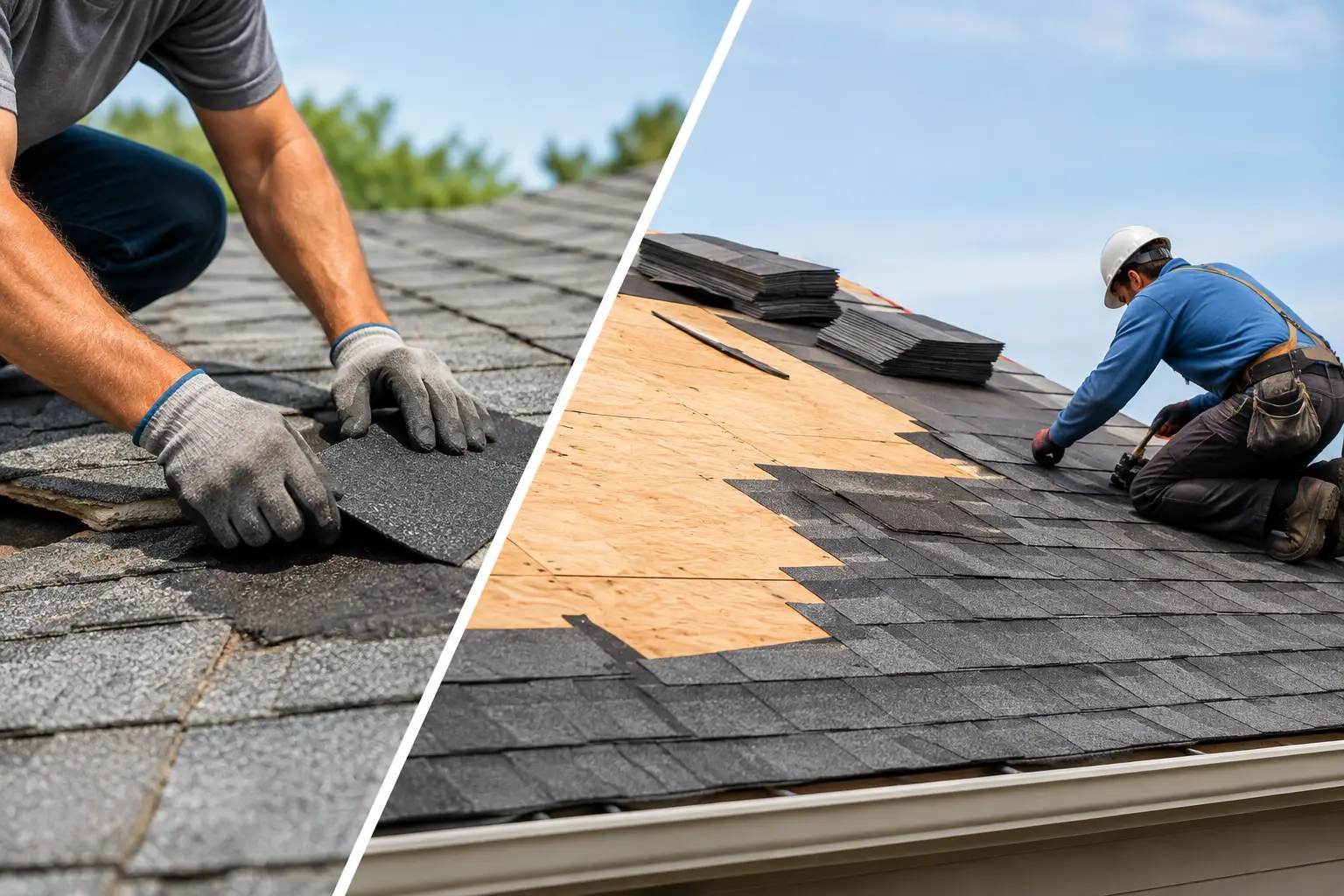
- Proper installation is complex: flashing (edges, chimneys), sealing, underlayment, ventilation, joining panels or tiles, ensuring slope. Mistakes lead to leaks, heat infiltration, premature wear.
- Warranties on materials often require certified installation. If DIY work doesn’t meet manufacturer or code standards, you might void warranty.
- Professionals have experience with local climate, building codes, inspections, and an eye for what really works in hot sun and seasonal conditions. They can recommend what is the best roof for a hot climate specifically for your home.
What Is the Best Roof for a Hot Climate? Contact Hidden Hills Roofing
Wondering what is the best roof for a hot climate in your Pasadena home? Hidden Hills Roofing can guide you. Name: Hidden Hills Roofing, Address: 1534 N Moorpark Rd, Thousand Oaks, CA 91360, Phone Number: (818) 351‑3516. We carry high-reflectance materials, light-color finishes, tile, metal, slate, and synthetic options, and we install with top quality, full warranties, and attention to ventilation and insulation. Don’t gamble with heat, damage, or discomfort—call Hidden Hills Roofing now to find the roof that keeps your home cooler and more comfortable year after year.
Conclusion
In hot climates like Pasadena, the ideal roof reflects sunlight, releases heat, ventilates well, insulates properly, and matches your home’s style. Metal with reflective coatings, clay or concrete tile, slate, and cool asphalt shingles are among the top choices. Each material has trade-offs—cost, weight, maintenance, aesthetics—but with proper installation and design features, you get performance and comfort.
So here’s a question: are you willing to invest now in roofing that holds up under intense sun and stays comfortable instead of replacing cheaper roofs more often? Hidden Hills Roofing is ready to help you decide what is the best roof for a hot climate and install it so your home feels cooler, works better, and looks great.
FAQs
Q: What is the best roof for a hot climate if my budget is limited?
A: Light-colored asphalt shingles with cool coatings, or lighter synthetic roofing options, can provide good performance at lower cost. Prioritize reflectivity, ventilation, and insulation.
Q: Do tiles really help with heat?
A: Yes. Tiles (especially clay or concrete) have thermal mass and allow airflow underneath. They absorb heat slowly and release it more slowly, which helps moderate indoor temperatures.
Q: Will a metal roof get too hot indoors?
A: Not if it has light color or reflective finish, proper underlayment, attic ventilation, and insulation. Those design elements keep the heat from radiating downward.
Q: How much can I save with a roof suited for hot climate?
A: Savings vary. With the right roof and good insulation/ventilation, homeowners often see 15-30% reduction in cooling energy costs. Surface temperature drops can be 30-50°F (15-28°C) depending on the material and color.
Q: How often do these “best roofs” need repair in hot climates?
A: Less often than cheaper roofs under the sun. Metal, tile, slate can last decades with minimal repair. But periodic inspections are still needed—for flashing, vents, sealants, underlayment—especially after storms or strong UV exposure.
Read Our Last Post
We serve the entire LA area
As the fastest roofing company in LA, we’ve been serving homeowners of all areas for 22 years.